Benefits of Sedation Dentistry for Anxious Patients in Paducah
Dental anxiety is common and can keep people from getting needed care. National public-health sources such as the American Dental Association (ADA) and the CDC note that many adults experience fear around dental visits. Sedation dentistry uses safe, well-monitored medications to reduce stress and enhance comfort so patients can complete preventive, restorative, or surgical care without fear. Below you’ll find a quick overview, the types of sedation dentistry solutions, who benefits most, and the safety standards behind modern sedated care.
Key Takeaways (TL;DR)
- Calmer visits: Sedation reduces fear and muscle tension so you can relax during care.
- Better comfort: Works alongside local anesthetics to minimize discomfort and gag reflex.
- Fewer appointments: Longer or multiple procedures can be completed in one visit.
- Right fit: Options include nitrous oxide (minimal), oral meds (moderate), and IV sedation (moderate–deep).
- Safety led: ADA/AAPD/ASA protocols require screening, continuous monitoring, and trained teams.
- Confidence builds: Predictable, positive experiences encourage regular preventive care.
Understanding Dental Anxiety
Feeling anxious before a dental visit is completely normal. For some, it’s mild nerves; for others, it can delay treatment for months or years. Triggers include past negative experiences, sensitivity to sounds or smells, or fear of discomfort and loss of control. Unfortunately, fear can fuel avoidance—minor problems worsen and future visits feel even harder. Paducah Sedation dentistry interrupts this cycle by using carefully monitored medications to help you stay calm, aware, and comfortable throughout care.
The Emotional Impact of Dental Anxiety
Dental fear affects confidence and quality of life. People may avoid smiling, photos, or social situations because they’re self-conscious about their teeth. The pattern often looks like this: anxiety → skipped visits → worsening problems → more fear. Because oral health connects to overall health, addressing fear early supports total well-being. Sedation helps make each visit calm and predictable so you can rebuild trust in dental care.
Types of Sedation for Anxious Patients
Nitrous Oxide (Laughing Gas)
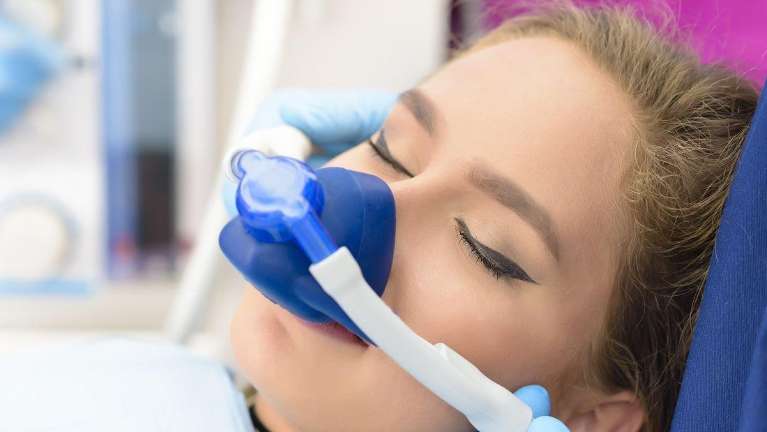
Inhaled through a small nasal mask, nitrous oxide produces a relaxed feeling within minutes and wears off quickly after the mask is removed. You remain awake and responsive—ideal for mild anxiety and routine care.
Oral Conscious Sedation
A prescribed tablet taken before the visit provides deeper relaxation while keeping you responsive. Many patients feel drowsy and remember little of the procedure. Because effects can last for hours, arrange a ride home.
Intravenous (IV) Sedation
Medication delivered through a small IV allows precise control—ideal for significant anxiety or longer, complex care. Vital signs are monitored continuously by trained professionals. Patients are technically conscious but deeply relaxed and often recall little.
Across all methods, the goal is the same: a calm, safe, comfortable experience so you can receive the care you need—without fear.
Key Benefits of Sedation Dentistry
Reduced Fear and Anxiety
Sedation calms the body’s stress response and softens awareness of dental sights and sounds—making even challenging visits feel manageable.
Enhanced Comfort and Pain Control
Used with local anesthetics, sedation improves comfort for sensitive teeth, low pain thresholds, and those who struggled to get numb in the past.
Shorter-Feeling Appointments
Time often feels faster under sedation, so longer procedures (e.g., multiple restorations) seem to pass quickly.
Reduced Gag Reflex
Sedation relaxes throat muscles and lowers sensitivity, allowing smoother care and better tolerance of instruments.
More Efficient Care
With improved tolerance and stillness, dentists can often complete more work in fewer visits—saving time and accelerating results.
Encourages Regular Dental Visits
Positive, calm experiences reduce fear of returning and support consistent preventive care and better long-term oral health.
Safety and Monitoring Standards
Sedation follows established protocols from the ADA and AAPD, with additional guidance from the ASA. Standards include thorough medical review, weight-based dosing, continuous monitoring (oxygen saturation, heart rate, blood pressure), and emergency readiness with oxygen, airway tools, and reversal agents. Teams maintain certifications such as BLS, ACLS, or PALS.
Who Can Benefit Most
- Patients with significant dental anxiety or phobia
- Individuals with a strong gag reflex or sensory sensitivities
- People with low pain thresholds or difficulty getting numb
- Those needing extensive or multiple procedures in one visit
- Adults or teens with special healthcare needs
- Anyone with traumatic past dental experiences seeking a fresh start
Building Trust and Confidence
Modern sedation care emphasizes empathy and patient control. Discussing fears and past experiences openly helps tailor your plan. Calm, comfortable visits replace dread with confidence—often reducing the need for sedation over time as trust builds.
Conclusion
Sedation dentistry turns anxious visits into calm, positive experiences. Under trained supervision and national safety standards, it reduces fear, enhances comfort, and supports consistent preventive care—helping patients move from avoidance to confidence, one comfortable appointment at a time.