Discover everything you need to know about dental care in Paducah, Kentucky — from preventive and cosmetic dentistry to implants, emergency care, and modern orthodontics — across McCracken County and surrounding communities. This will help you find the best dentist in Paducah.
Key Takeaways (TL;DR)
-
Comprehensive Care: Paducah offers preventive, cosmetic, restorative, emergency, and orthodontic services close to home across McCracken County.
-
Modern Technology: Digital X-rays, CBCT imaging, laser dentistry, and same-day crowns boost precision and comfort.
-
Preventive Focus: Routine visits, fluoride, sealants, and early education reduce risk of cavities and gum disease.
-
Regional Access: Families in Lone Oak, Reidland, Hendron, Benton, and Calvert City benefit from short travel times to comprehensive care.
-
Trusted Expertise: Local providers emphasize evidence-based care, safety, and patient comfort for long-term oral health.
Introduction — Local Dental Care in Paducah and McCracken County
Maintaining good oral health is essential to overall well-being, and residents of Paducah, Kentucky, benefit from a wide range of professional dental services designed for every stage of life. From preventive family checkups to cosmetic smile transformations, local providers ensure that individuals and families throughout McCracken County and surrounding communities receive quality, evidence-based care close to home.
The city of Paducah is known for its strong sense of community and access to modern healthcare. With nearby landmarks such as Noble Park, the Paducah Riverfront, and Mercy Health Lourdes Hospital, families in areas like Lone Oak, Reidland, and Hendron have convenient access to comprehensive dental services without traveling far. Local practices such as Smile Station Dental Care help set the standard for excellence by offering both general and specialty treatments backed by the latest technology and research.
The Role of Dentistry in Overall Health
According to the American Dental Association (ADA) and the Centers for Disease Control and Prevention (CDC), oral health directly affects heart health, diabetes management, and even cognitive function in older adults. Routine cleanings, early detection of cavities or gum disease, and patient education are key components in preventing more serious conditions. Local dentists emphasize these fundamentals through family-friendly preventive programs tailored to children, adults, and seniors alike.
Local Expertise and Technology
Paducah’s dental community integrates advanced technologies — digital X-rays, CBCT 3D imaging, and laser dentistry — to improve diagnostic accuracy and patient comfort. Many clinics in the region also offer sedation dentistry, ensuring stress-free procedures for patients who experience dental anxiety. These advancements reflect a broader national shift toward patient-centered, comfort-driven care that prioritizes both safety and efficiency.
Accessibility for Western Kentucky Residents
Beyond Paducah, families in Mayfield, Benton, Calvert City, and Massac County (IL) benefit from expanded service areas that make routine and specialized care accessible within a short drive. For residents of Southern Illinois communities such as Metropolis and Brookport, cross-river clinics help bridge regional health coverage gaps while maintaining continuity of care for families who work or study in Paducah.
Community Focus and Preventive Awareness
Many local dentists collaborate with schools and community organizations to promote oral health education programs and free screenings for underserved populations. These initiatives align with the American Academy of Pediatric Dentistry (AAPD) guidelines recommending dental visits by age one and regular checkups every six months. By offering accessible care and education, Paducah’s providers support a healthier future for the entire Western Kentucky region.
What to Expect in This Guide
This comprehensive guide explores all major areas of dentistry available locally — from routine checkups to complex restorative and cosmetic treatments. Each section provides insight into specific services, local trends, and patient considerations. Readers will also learn how innovations like sedation dentistry and clear aligners are reshaping the patient experience throughout McCracken County and beyond.
The Importance of Preventive and Family Dentistry
Preventive dentistry forms the foundation of lifelong oral health. For residents of Paducah and McCracken County, prevention means fewer emergencies, reduced treatment costs, and better overall wellness. Local dental providers emphasize early detection, routine cleanings, and education to help families protect their teeth and gums at every age.
Why Preventive Dentistry Matters
According to the American Dental Association (ADA), regular dental visits—ideally twice a year—play a vital role in maintaining oral and systemic health. Professional cleanings remove tartar buildup that daily brushing and flossing can’t eliminate, while exams identify early signs of decay, gum disease, or oral cancer.
The Centers for Disease Control and Prevention (CDC) reports that poor oral health is linked to cardiovascular disease, diabetes, and respiratory infections. Preventive dentistry helps lower these risks by addressing problems before they affect overall health.
Family Dentistry in the Paducah Area
Family dentistry allows patients of all ages to receive care in one location, often with convenient scheduling that accommodates both children and adults. Early exposure to positive dental experiences helps children feel comfortable, reduces anxiety, and encourages lifelong habits of regular visits and good home care.
The American Academy of Pediatric Dentistry (AAPD) recommends that children have their first dental visit by age one, or within six months of their first tooth appearing. Early guidance on brushing, fluoride, and nutrition helps families in Western Kentucky prevent cavities and develop healthy oral care routines.
Preventive Services to Expect
- Routine exams and professional cleanings
- Fluoride applications and dental sealants
- Oral cancer screenings
- Gum (periodontal) health evaluations
- Digital X-rays and bite analysis
- Guidance on nutrition, brushing, and flossing techniques
Many modern dental offices use advanced tools such as 3D imaging and laser diagnostics to detect issues early, allowing for less invasive and more effective treatment.
Building Lifelong Dental Habits
Preventive care is a partnership between patients and their dental professionals. Consistency in brushing, flossing, and routine visits builds resilience against decay and gum disease. Establishing these habits early benefits not only children but adults and seniors throughout McCracken County and neighboring communities such as Lone Oak, Reidland, and Hendron.
Through prevention and education, families can maintain healthy smiles that support overall well-being for years to come.
Cosmetic Dentistry in Paducah: Transforming Smiles with Confidence
Cosmetic dentistry focuses on improving the appearance of teeth, gums, and overall smile harmony. In Paducah and across McCracken County, advancements in dental technology have made aesthetic treatments more precise, comfortable, and accessible than ever before. Whether enhancing tooth color, correcting alignment, or repairing chips and gaps, cosmetic dentistry helps restore both appearance and confidence.
The Role of Cosmetic Dentistry
While cosmetic treatments are often seen as elective, many also improve oral function and long-term health. For example, properly aligned teeth are easier to clean and less prone to decay, while replacing worn or uneven enamel can reduce jaw strain and discomfort. According to the American Academy of Cosmetic Dentistry (AACD), improving one’s smile can enhance self-esteem and encourage better oral care habits, leading to healthier outcomes overall.
Common Cosmetic Dental Treatments
- Teeth Whitening: Safe, professional whitening options remove stains from coffee, tea, and tobacco.
- Dental Veneers: Thin, durable shells that cover the front of teeth to correct chips, discoloration, or uneven shapes.
- Dental Bonding: A cost-effective method for repairing minor cracks, gaps, or stains using tooth-colored resin.
- Smile Design: Comprehensive plans that combine multiple cosmetic procedures for balanced, natural results.
- Gum Contouring: Reshaping the gumline to create symmetry and correct a “gummy smile.”
Many of these treatments now use advanced materials like high-strength ceramics and digital imaging systems, allowing for more predictable and aesthetic outcomes.
The Science Behind a Confident Smile
Research shows that a healthy, attractive smile influences personal interactions, confidence, and perceived professionalism. Studies published by the National Institutes of Health (NIH) suggest that individuals who are happy with their smiles are more likely to engage socially and maintain good oral hygiene habits. This connection between emotional well-being and oral health underscores why cosmetic dentistry is often part of a holistic care approach.
Local Relevance in Western Kentucky
In Paducah, cosmetic dentistry is influenced by both community lifestyle and accessibility. Residents in nearby areas such as Lone Oak, Reidland, Hendron, Benton, and Calvert City have growing access to digital scanning, same-day restorations, and advanced whitening systems. These technologies reduce the need for multiple visits and create a smoother, more convenient patient experience.
Maintaining Results Through Preventive Care
A beautiful smile requires ongoing maintenance. Regular cleanings, fluoride treatments, and at-home hygiene protect cosmetic work from staining and wear. Patients are encouraged to avoid tobacco, limit staining foods, and schedule periodic touch-ups for whitening or veneer polishing.
Cosmetic dentistry ultimately bridges art and science. Through careful planning, evidence-based materials, and preventive follow-up, it helps individuals achieve a natural, healthy appearance that supports both confidence and long-term oral health.
Dental Implants and Tooth Replacement Options
Tooth loss affects both oral function and self-confidence, but modern implant and restorative options have transformed the way dentists approach replacement care. In Paducah and throughout McCracken County, patients can now choose from a variety of durable, natural-looking solutions that restore chewing ability, protect bone structure, and enhance appearance.
Understanding Dental Implants
A dental implant is a small titanium or ceramic post surgically placed in the jawbone to act as an artificial tooth root. Once integrated, it supports a crown, bridge, or denture. According to the American Academy of Implant Dentistry (AAID), implants are considered the most predictable method of tooth replacement, with long-term success rates exceeding 95 percent when properly maintained.
Dental implants prevent the bone loss that commonly follows extraction and help preserve facial structure. They also provide stability that removable dentures cannot, improving speech and comfort during eating.
Alternative Tooth Replacement Options
- Fixed Bridges: Replace one or more adjacent teeth by anchoring to neighboring natural teeth.
- Partial Dentures: Removable appliances that fill gaps for multiple missing teeth.
- Complete Dentures: Full-arch replacements that restore function and appearance after tooth loss.
- Implant-Supported Dentures: Hybrid solutions secured to two to six implants for greater stability and comfort.
Each method has unique advantages related to cost, maintenance, and treatment time. A thorough evaluation that includes digital X-rays and 3D scans helps determine which option best matches a patient’s needs.
Treatment Process and Healing
Dental implant placement typically occurs in stages: consultation and planning, surgical placement, healing and osseointegration (bone fusion), and final restoration. Healing time can range from three to six months depending on bone density and overall health. Advances in guided surgery and computer-aided design now allow for greater precision and faster recovery.
In cases where the jawbone lacks adequate density, procedures such as bone grafting or sinus augmentation may be performed first. The American Association of Oral and Maxillofacial Surgeons (AAOMS) notes that these pre-implant treatments significantly improve implant success and long-term stability.
Maintenance and Long-Term Care
Proper oral hygiene is essential to implant longevity. Daily brushing, flossing, and professional cleanings help prevent peri-implantitis—a gum infection similar to periodontal disease. Avoiding tobacco and managing systemic conditions such as diabetes further reduce complications.
The National Institutes of Health (NIH) emphasizes that with good maintenance, implants can last decades and often feel indistinguishable from natural teeth. For patients in Western Kentucky communities such as Lone Oak, Reidland, and Benton, these advancements offer a reliable path to restored function and confidence.
Choosing the Right Solution
Every tooth replacement plan should begin with a comprehensive assessment that considers medical history, bone quality, and personal goals. By weighing the benefits of implants against bridges or dentures, patients can make informed choices supported by evidence-based care and professional guidance.
Crowns and Bridges: Restoring Function and Appearance
Crowns and bridges are long-standing solutions for repairing or replacing damaged and missing teeth. In Paducah and across McCracken County, these restorations remain among the most commonly used treatments for maintaining chewing ability, preventing shifting teeth, and preserving facial structure. Modern materials and digital fabrication now allow crowns and bridges to blend seamlessly with natural teeth.
Understanding Dental Crowns
A crown is a custom-made cap that covers a tooth to restore its shape, strength, and appearance. According to the American Dental Association (ADA), crowns are recommended after root-canal therapy, large fillings, fractures, or severe wear. Common materials include porcelain, zirconia, and ceramic blends that mimic natural translucency. Some offices use computer-aided design and manufacturing (CAD/CAM) to create same-day crowns that reduce the need for temporary restorations.
Understanding Dental Bridges
A bridge replaces one or more missing teeth by anchoring to adjacent natural teeth or implants. It literally “bridges” the gap, helping restore bite balance and prevent neighboring teeth from shifting. The National Institute of Dental and Craniofacial Research (NIDCR) notes that bridges also help maintain jaw alignment and speech clarity.
Types of Bridges
- Traditional Bridge: Anchored by crowns on both sides of the gap.
- Cantilever Bridge: Uses a single supporting tooth when only one adjacent tooth is available.
- Maryland Bridge: Bonded with metal or porcelain wings to the back of neighboring teeth (minimally invasive).
- Implant-Supported Bridge: Secured to implants for strength and longevity without altering natural teeth.
Comparison Table: Crowns vs. Bridges
Treatment Process
Restoring teeth with crowns or bridges generally involves preparation, digital or physical impressions, temporary placement, and final cementation. With modern scanning systems, the entire process is more precise and less invasive than in the past. An accurate fit helps prevent bacteria leakage and extends restoration life.
Care and Maintenance
Both crowns and bridges require regular brushing, flossing, and professional cleanings. The ADA advises using a floss threader or interdental brush beneath a bridge to remove plaque and food debris. Avoiding hard foods and wearing a night guard if you grind teeth can further protect the restoration.
Long-Term Benefits
Crowns and bridges support oral function while maintaining facial balance and aesthetics. For residents of Paducah and surrounding communities such as Reidland, Hendron, and Lone Oak, these treatments remain reliable options for restoring both comfort and confidence in everyday life.
Dentures and Implant-Supported Dentures in Western Kentucky
Tooth loss can affect more than a person’s smile—it can change how they eat, speak, and feel about themselves. Dentures remain one of the most widely used and cost-effective options for replacing missing teeth. In Western Kentucky, modern materials and design techniques have greatly improved comfort, stability, and aesthetics for denture wearers.
Types of Dentures
- Complete Dentures: Replace all teeth in the upper or lower jaw. They rest directly on the gums and are custom-molded for fit and appearance.
- Partial Dentures: Used when some natural teeth remain. Metal or acrylic frameworks hold artificial teeth in place.
- Immediate Dentures: Created in advance so patients can wear them right after extractions, helping with healing and appearance.
- Overdentures: Fit over a small number of remaining natural teeth or dental implants for better stability and bone preservation.
The American College of Prosthodontists (ACP) reports that nearly 36 million Americans are edentulous (missing all teeth), highlighting the ongoing importance of reliable denture options.
Implant-Supported Dentures
Implant-supported dentures combine traditional prosthetics with the security of dental implants. Small titanium posts anchor the denture in place, preventing slippage and improving chewing efficiency. These can be either removable overdentures that snap onto implants or fixed hybrid dentures that stay permanently attached.
According to the American Academy of Implant Dentistry (AAID), implant-supported dentures significantly enhance stability and patient satisfaction compared to conventional dentures. They also reduce bone loss in the jaw, which naturally occurs after tooth extraction.
Materials and Modern Fabrication
Today’s dentures are lighter, more natural in color, and longer lasting. Acrylic resins, composite polymers, and advanced porcelain teeth replicate the translucency of enamel. Many dental labs now use digital scanning and 3D printing to produce highly accurate, comfortable fittings. These technologies reduce chair time and the need for multiple adjustments.
Adjusting to New Dentures
Adapting to dentures takes time. Mild soreness or changes in speech are common during the first few weeks. The American Dental Association (ADA) recommends practicing reading aloud and eating soft foods to help with adaptation. Regular follow-up visits ensure the fit remains secure as gums and bone reshape naturally over time.
Maintenance and Care
- Rinse after eating to remove debris.
- Brush daily with a soft denture brush and non-abrasive cleaner.
- Soak overnight in a denture solution or clean water.
- Schedule periodic relines or replacements every five to seven years.
Dentists also recommend regular oral exams, even for those without natural teeth, to monitor gum and bone health.
Dentures and Oral Health in Western Kentucky
Residents in Paducah, Lone Oak, Reidland, Calvert City, and nearby areas benefit from access to both traditional and implant-supported denture options. These restorations help maintain facial shape, improve diet variety, and restore natural-looking smiles that support confidence and comfort in daily life.
Emergency Dental Care in Paducah and Nearby Communities
Dental emergencies can occur without warning—from sudden tooth pain to broken restorations or facial trauma. Knowing how to respond and where to seek care helps prevent further injury and increases the likelihood of saving a damaged tooth. In Paducah and surrounding communities, timely attention from local providers ensures that urgent oral health issues receive proper treatment.
Common Types of Dental Emergencies
According to the American Dental Association (ADA), the most common dental emergencies include:
- Severe toothaches or infections
- Broken, chipped, or knocked-out teeth
- Lost crowns or fillings
- Abscesses or facial swelling
- Soft-tissue injuries involving lips, gums, or tongue
- Jaw pain or trauma from accidents or sports injuries
Prompt care is critical. Delaying treatment can lead to worsening infection, tooth loss, or systemic complications.
What to Do Before Seeing a Dentist
- Knocked-Out Tooth: Hold the tooth by the crown (not the root), rinse gently with water, and attempt to reinsert it into the socket. If that’s not possible, store it in milk or a tooth-preservation solution.
- Broken or Cracked Tooth: Rinse with warm water and apply a cold compress to reduce swelling.
- Severe Toothache: Rinse the mouth with warm saltwater and avoid applying heat or aspirin directly to the gum.
- Lost Filling or Crown: Use dental cement or sugar-free gum to cover sharp edges temporarily until professional care is available.
The Centers for Disease Control and Prevention (CDC) recommends using a mouthguard during sports to prevent dental injuries and seeing a dentist immediately after any oral trauma.
Same-Day and After-Hours Care
Emergency dental clinics in McCracken County often reserve appointments for same-day visits, especially for acute pain or swelling. For after-hours or weekend emergencies, hospital emergency departments—such as Mercy Health Lourdes Hospital in Paducah—can help manage severe infections or facial trauma until a dentist provides follow-up care.
Nearby towns including Lone Oak, Reidland, Hendron, Calvert City, and Mayfield also have general and family dental offices equipped to handle urgent needs. Early intervention is essential to minimize long-term damage and discomfort.
Preventing Dental Emergencies
- Schedule regular checkups to detect early signs of decay or fractures.
- Wear custom mouthguards during contact sports.
- Avoid chewing ice, hard candy, or non-food items.
- Maintain strong oral hygiene to reduce infection risk.
Staying proactive with preventive care helps ensure that sudden pain or injury is less likely to become a serious or costly problem.
Emergency Dental Preparedness in Western Kentucky
Having a plan in place before an emergency occurs provides peace of mind. Keep the phone number of a trusted local dentist, an emergency clinic, and a nearby hospital. Residents of Paducah and neighboring areas benefit from a network of qualified dental professionals and medical facilities capable of providing rapid, effective treatment for all types of oral emergencies.
Sedation Dentistry for Comfortable Dental Visits
For many people, visiting the dentist can cause anxiety or fear. Sedation dentistry helps patients remain calm and comfortable during procedures by using safe, controlled medications. In Paducah and surrounding areas, sedation options have become increasingly common, allowing individuals with dental anxiety or complex treatment needs to receive necessary care without stress.
What Is Sedation Dentistry?
Sedation dentistry uses medication to help patients relax during dental treatment. Depending on the type and level of sedation, patients may remain fully awake, lightly drowsy, or in a deeper state of relaxation. The American Dental Association (ADA) recognizes several sedation levels based on patient responsiveness and safety monitoring requirements.
- Nitrous Oxide (Laughing Gas): Inhaled through a small mask, this mild sedative reduces anxiety while keeping patients awake and responsive.
- Oral Sedation: A prescribed pill taken before the appointment that induces moderate relaxation and reduces awareness of time.
- IV Sedation: Administered intravenously under medical supervision for more complex or lengthy procedures.
Each method is tailored to the patient’s medical history, anxiety level, and procedure type.
Who Benefits from Sedation Dentistry
- Patients with dental anxiety or phobia
- Individuals with a strong gag reflex
- People needing extensive or multiple procedures
- Children or adults with special healthcare needs
- Patients with difficulty remaining still during treatment
The National Institutes of Health (NIH) reports that nearly 20% of adults in the U.S. avoid dental care due to anxiety or fear. Sedation allows these patients to receive preventive and restorative care that would otherwise be postponed or neglected.
Safety and Monitoring
Sedation dentistry is considered highly safe when performed by trained professionals who monitor vital signs throughout the procedure. The American Society of Anesthesiologists (ASA) classifies sedation levels to ensure patient safety, ranging from minimal (anxiolysis) to deep sedation.
Dentists review each patient’s medical history, current medications, and health conditions before recommending sedation. During treatment, oxygen levels, pulse, and blood pressure are continuously tracked to maintain comfort and safety.
Recovery and Aftercare
Recovery time varies depending on the type of sedation used. Nitrous oxide typically wears off within minutes, allowing patients to drive home afterward. Oral or IV sedation may require an escort and several hours of rest. Post-sedation instructions usually include avoiding heavy meals, alcohol, or driving until fully alert.
Sedation Dentistry in Western Kentucky
For residents across Paducah, Lone Oak, Reidland, and Hendron, sedation dentistry offers an effective solution for managing dental fear and improving treatment experiences. Whether for a simple filling or a full restorative procedure, sedation options make it possible for patients to receive quality care while feeling relaxed, supported, and in control of their comfort.
Invisalign and Orthodontic Options in Paducah, KY
A well-aligned smile contributes not only to appearance but also to oral health. Misaligned teeth can increase the risk of cavities, gum disease, and uneven wear on enamel. In Paducah and across Western Kentucky, orthodontic options like Invisalign and traditional braces make it easier for both teens and adults to achieve healthy alignment discreetly and effectively.
The Purpose of Orthodontic Treatment
Orthodontics focuses on correcting irregularities in tooth position and jaw alignment. The American Association of Orthodontists (AAO) explains that properly aligned teeth are easier to clean, more resistant to decay, and distribute biting forces evenly across the mouth. Modern orthodontics now offers flexible solutions suited to lifestyle, comfort, and treatment duration preferences.
Common Orthodontic Treatment Options
- Traditional Braces: Metal or ceramic brackets and wires that guide teeth into proper alignment over time.
- Clear Aligners (Invisalign): A series of custom-made, removable trays that gradually shift teeth into position without fixed brackets.
- Lingual Braces: Braces placed behind the teeth for a hidden appearance.
- Retainers: Used after active treatment to maintain the final alignment.
According to the American Dental Association (ADA), orthodontic treatment can improve not only esthetics but also speech clarity, chewing function, and long-term joint health.
How Invisalign Works
Invisalign uses 3D digital scanning to create a personalized treatment plan. A sequence of clear trays applies controlled pressure to move teeth gradually. Most patients wear each aligner for 20–22 hours per day, switching to the next one every one to two weeks. Progress is typically monitored every six to eight weeks.
Because the trays are removable, patients can maintain normal brushing, flossing, and eating habits. Aligners are made from medical-grade thermoplastic material, offering comfort and reduced irritation compared to traditional brackets.
Candidacy for Invisalign
Clear aligners are most effective for mild to moderate crowding, spacing, or bite issues. Severe misalignments or jaw discrepancies may still require traditional braces or other orthodontic appliances. The AAO emphasizes that only a qualified dental professional should determine suitability through a clinical exam and digital imaging.
Treatment Duration and Results
Typical treatment times range from 6 to 18 months, depending on case complexity and compliance. Consistency is key—patients who wear aligners as directed achieve the best outcomes. After treatment, retainers help maintain alignment and prevent teeth from shifting.
Orthodontic Care Across Western Kentucky
Communities such as Paducah, Lone Oak, Reidland, and Calvert City have increasing access to advanced orthodontic technology, including digital impressions, remote monitoring, and accelerated tooth movement systems. These innovations make treatment more efficient and convenient for both teens and adults seeking a straighter, healthier smile.
Dental Technology and Patient Comfort in Modern Dentistry
Modern dentistry has evolved far beyond traditional drills and impressions. Advances in imaging, digital design, and patient comfort techniques now allow dental care to be more precise, efficient, and comfortable than ever. In Paducah and communities throughout Western Kentucky, technology-driven care plays a major role in improving diagnosis accuracy and reducing treatment anxiety.
Diagnostic and Imaging Innovations
Early and accurate diagnosis is central to maintaining oral health. The American Dental Association (ADA) highlights several technologies that enhance precision and safety in everyday dental practice:
- Digital X-Rays: Use lower radiation than traditional film and provide instant, high-resolution images for evaluation.
- Intraoral Cameras: Allow detailed visualization of teeth and gums, improving patient understanding and documentation.
- Cone Beam CT (CBCT): Produces 3D images of bone and tissue structures—particularly valuable for implants and surgical planning.
- Laser Cavity Detection: Identifies early-stage decay without invasive tools.
Treatment Advancements and Efficiency
- CAD/CAM Technology: Enables same-day fabrication of crowns, bridges, and veneers, reducing the number of visits required.
- 3D Printing: Allows production of surgical guides, aligners, and temporary restorations with remarkable precision.
- Laser Dentistry: Offers minimally invasive options for gum contouring, cavity treatment, and tissue healing with faster recovery times.
- Ultrasonic Scalers: Provide comfortable, efficient removal of plaque and tartar with less vibration than traditional methods.
According to the National Institute of Dental and Craniofacial Research (NIDCR), these innovations contribute to greater procedural comfort and long-term oral health outcomes.
Patient Comfort and Anxiety Reduction
- Relaxation music and noise-canceling headphones
- Ergonomic chairs and neck supports
- Warm blankets and aromatherapy for anxiety relief
- Nitrous oxide or light oral sedation when appropriate
The Centers for Disease Control and Prevention (CDC) and American Psychological Association (APA) have found that reduced stress and anxiety during medical procedures can lower perceived pain and improve patient satisfaction.
Local Emphasis on Modern Dental Care
Across Paducah, Lone Oak, Reidland, and neighboring areas, dental practices are integrating digital tools and comfort-focused methods to enhance patient experience. From 3D imaging to guided implant surgery, these advancements reflect a broader commitment to precision, safety, and compassionate care in Western Kentucky.
Community Overview — Comprehensive Dental Care in Paducah and Western Kentucky
Quality dental care in Western Kentucky is supported by a network of experienced professionals who prioritize prevention, education, and modern techniques. Residents across Paducah, Lone Oak, Reidland, Hendron, and surrounding areas benefit from an extensive range of services—from preventive cleanings and restorative treatments to cosmetic and emergency care—all designed to improve both oral and overall health.
Accessibility and Community Resources
McCracken County and nearby communities are home to a diverse mix of private practices, community health centers, and specialized clinics. Many local providers offer extended hours, same-day appointments, and emergency services to ensure that patients can access care when it matters most.
Public programs such as the Kentucky Oral Health Program and local dental outreach initiatives also provide valuable resources for families seeking affordable care, reinforcing the region’s focus on community well-being and preventive education.
Focus on Modern, Compassionate Care
Western Kentucky’s dental professionals have embraced digital technology, patient-centered communication, and comfort-based approaches. This integration allows for precise diagnostics, efficient treatment, and a more relaxed patient experience. Preventive efforts, early-detection screenings, and public education campaigns continue to reduce barriers to oral health in both urban and rural areas.
A Commitment to Local Patients
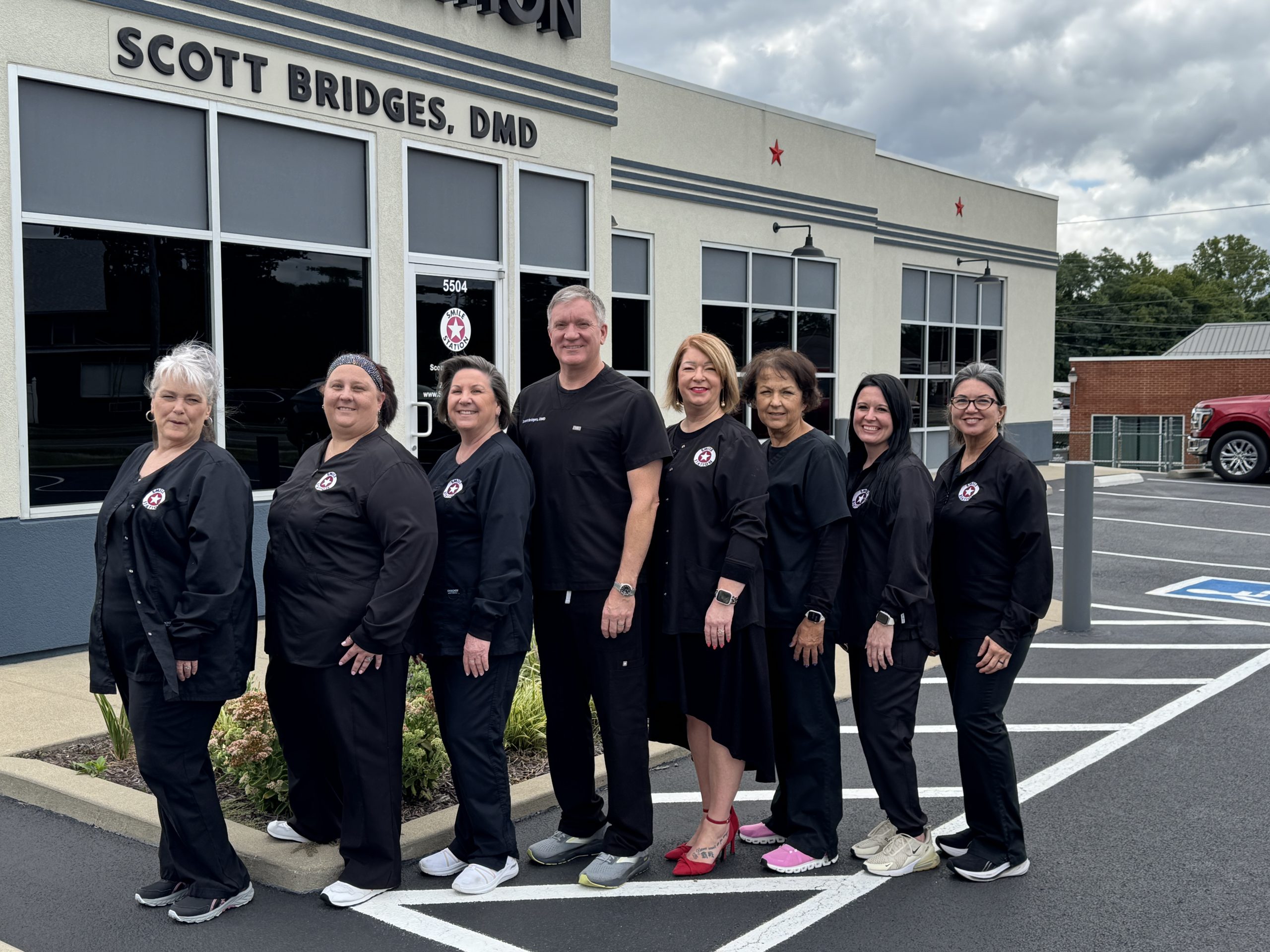
At Smile Station Dental Care in Paducah, KY, Dr. Scott Bridges and his team reflect this regional standard of excellence. Their practice emphasizes preventive education, evidence-based treatment, and patient comfort—principles shared by many professionals throughout Western Kentucky.
By combining local expertise with advanced technology, Smile Station Dental Care supports families in maintaining healthy smiles that contribute to long-term wellness. Whether welcoming patients from McCracken County or nearby communities in southern Illinois, the practice continues to serve as a trusted resource for compassionate, comprehensive dental care.
Sources / References
- American Dental Association (ADA)
- Centers for Disease Control and Prevention (CDC) — Oral Health
- American Academy of Pediatric Dentistry (AAPD)
- American Academy of Cosmetic Dentistry (AACD)
- American Academy of Implant Dentistry (AAID)
- American Association of Oral and Maxillofacial Surgeons (AAOMS)
- National Institute of Dental and Craniofacial Research (NIDCR)
- National Institutes of Health (NIH)
- American Association of Orthodontists (AAO)
- American Society of Anesthesiologists (ASA)