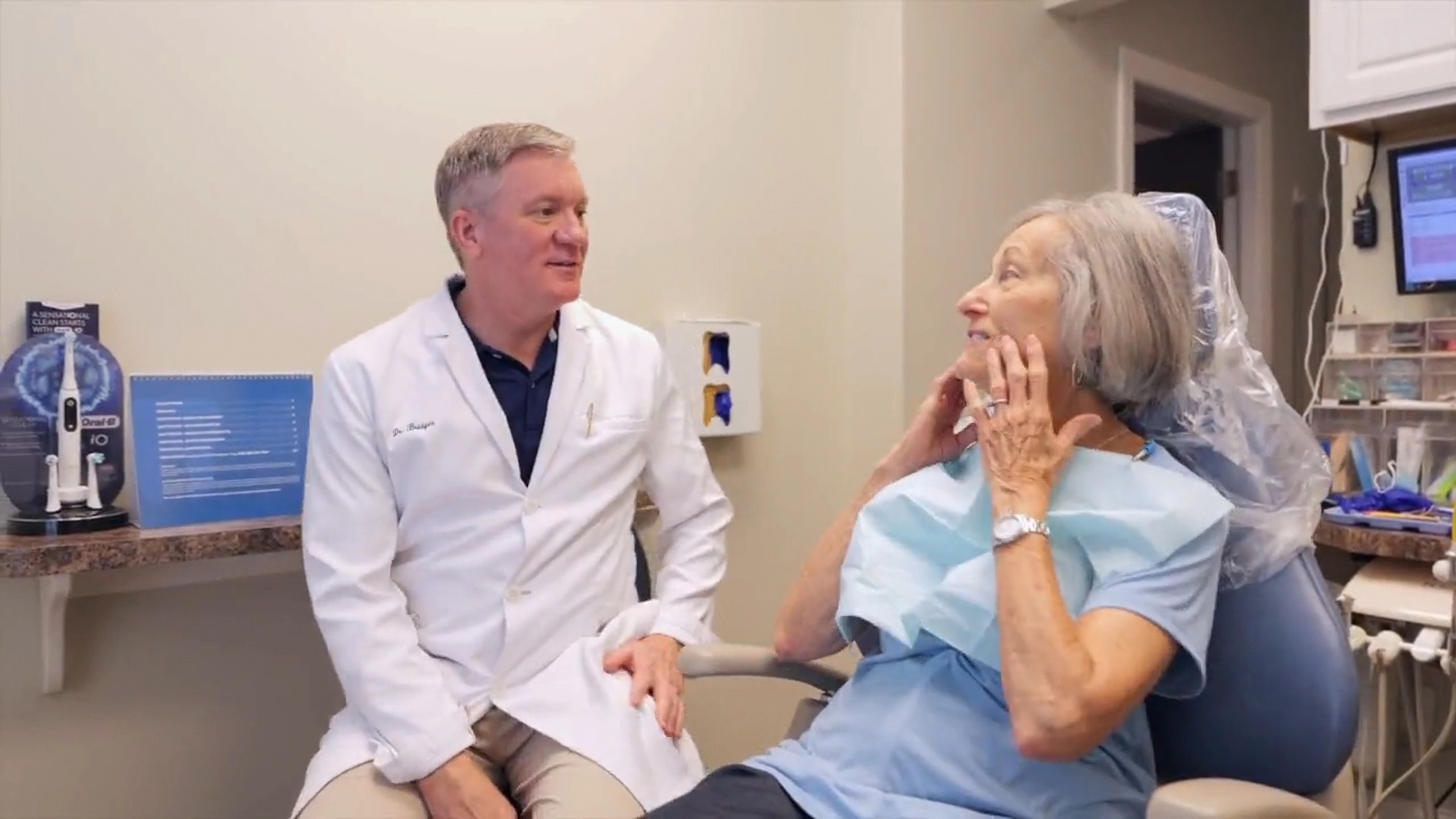
Even well-made, properly fitted dentures can develop problems over time. Understanding common denture issues, knowing when to troubleshoot at home versus seeking professional help, and implementing preventive strategies ensures long-term success for denture wearers throughout the Paducah region. Research shows that 60-75% of denture wearers experience at least one significant issue during their denture’s lifespan—but the encouraging news is that 70% of these problems are preventable with proper care and timely professional intervention.
Serving the Greater Paducah Region
Whether you live in Paducah, suburban communities like Reidland, Lone Oak, and Hendron, or neighboring towns such as Benton, Draffenville, and Calvert City—or even rural areas including Ledbetter, Smithland, and Hardin—recognizing common denture problems and knowing how to address them helps maintain comfort, function, and confidence across McCracken County.
This comprehensive troubleshooting guide examines the most common denture problems—from loose fit and sore spots to breakage and eating difficulties—providing evidence-based solutions, prevention strategies, and clear guidance on when home care suffices versus when professional intervention becomes necessary.
For complete information about denture types and the denture process, see our complete guide to dentures in Paducah.
Educational Resource: This article provides comprehensive, evidence-based troubleshooting information for educational purposes. It is not promotional material and maintains a neutral perspective on denture problem-solving for residents across Western Kentucky communities.
Table of Contents
Key Takeaways
Essential Denture Problem-Solving Information at a Glance
65% Experience Loose DenturesAccording to the Journal of Prosthetic Dentistry, 65% of denture wearers experience looseness within the first five years. Primary cause: jaw bone resorption averaging 25% in the first year after tooth loss, continuing at 0.5% annually. |
Regular Relines Maintain FitProfessional denture relines every 1-2 years compensate for bone and tissue changes, maintaining proper fit and preventing complications. Studies show delaying relines increases damage risk by 40%. |
40% of Breaks Are PreventableResearch indicates 40% of denture repairs result from dropping dentures during cleaning—a completely preventable accident. Always clean over a towel or water-filled sink to protect your investment. |
50-60% Get Sore SpotsSore spots affect 50-60% of denture wearers, particularly during the first six months. The encouraging news: 85% resolve with simple professional adjustments, typically requiring just one or two visits. |
DIY Repairs Cause More HarmOver-the-counter denture repair kits and household adhesives like superglue cause more damage than they fix. Improper repairs lead to bite problems, toxic exposure, and ultimately cost more to correct professionally. |
Proper Cleaning Prevents Bad BreathStudies show 90% of denture-related bad breath resolves with proper daily cleaning protocols. The remaining 10% typically indicates underlying infections requiring professional treatment throughout McCracken County. |
Maintenance Extends Lifespan 30-40%Regular professional maintenance—including annual examinations, periodic relines, and professional cleaning—extends denture lifespan by 30-40% compared to neglected dentures, saving hundreds to thousands of dollars. |
70% of Problems Are PreventableThe most important statistic: 70% of denture problems are preventable through proper daily care, regular professional maintenance, and timely intervention when small issues arise—before they become major problems. |
Quick Navigation Tip: Use the Table of Contents above to jump directly to your specific denture problem. Each section includes clear guidance on home care versus when to seek professional help.
Most Common Denture Problems: Prevalence Statistics
Understanding how frequently denture problems occur helps residents throughout Paducah and McCracken County recognize that challenges are normal, manageable, and most importantly—preventable. Data from the Journal of Prosthetic Dentistry and International Journal of Dentistry reveals clear patterns in denture-related issues.
Denture Problem Prevalence Data
| Problem Type | Percentage Affected | Most Common Timeframe |
| Loose/Ill-Fitting Dentures | 65% | Within 5 years |
| Sore Spots/Irritation | 50-60% | First 6 months (most common) |
| Difficulty Eating | 45% | Ongoing without adjustment |
| Speech Difficulties (Persistent) | 30% | Beyond 8 weeks |
| Broken/Cracked Dentures | 25% | Within 5 years |
| Bad Breath | 20-25% | Without proper care routine |
| Staining/Discoloration | 80% | By year 3 (without pro cleaning) |
Data compiled from Journal of Prosthetic Dentistry, International Journal of Dentistry, and dental industry research
The Good News: 70% Are Preventable
While these statistics may seem concerning, research consistently shows that 70% of denture problems are preventable through proper daily care, regular professional maintenance, and timely intervention. For comprehensive care guidance, see our complete denture maintenance guide.
Loose or Ill-Fitting Dentures
Loose dentures represent the most common problem affecting denture wearers, with 65% experiencing this issue within five years of receiving their dentures. Understanding why looseness occurs helps Paducah-area residents recognize when professional intervention becomes necessary.
Why Dentures Become Loose
- Bone Resorption (Primary Cause): Jaw bone loss averages 25% in the first year after tooth loss, then continues at approximately 0.5% annually. This natural process changes the shape of the denture-bearing ridge.
- Gum Tissue Changes: Soft tissue shrinks and reshapes over time, creating gaps between denture and gums.
- Weight Fluctuations: Gains or losses of 10+ pounds affect facial tissue volume and denture fit.
- Denture Age: Materials wear and compress over the typical 5-7 year denture lifespan.
- Initial Fit Issues: Improperly fitted dentures worsen quickly without professional correction.
Symptoms of Loose Dentures
- Clicking sounds when eating or talking
- Dentures shift or rock during chewing
- Food particles trapped underneath dentures
- Difficulty keeping dentures in place without adhesive
- Changes in facial appearance (collapsed or sunken look)
- Sore spots from denture movement
Solutions
Temporary/Immediate: Denture adhesive provides short-term stability but is NOT a long-term solution. Continuous adhesive need indicates professional adjustment required.
Professional Solutions:
- Soft Reline: Temporary cushioning material ($200-$350) lasting 1-2 years
- Hard Reline: Permanent material resurfaces denture base ($300-$500) lasting 2-3 years
- Rebase: Replaces entire denture base while keeping existing teeth ($400-$600)
- New Dentures: Necessary when bone loss is severe or dentures exceed 7-10 years
When to Call Your Dentist: Schedule an appointment if you experience excessive looseness affecting eating ability, inability to keep dentures in without adhesive, or visible gaps between denture and gums. Studies show delaying professional relines increases structural damage risk by 40%.
Sore Spots and Irritation
Sore spots affect 50-60% of denture wearers, particularly during the first six months. The encouraging news: research shows 85% of sore spots resolve with simple professional adjustments, typically requiring just one or two visits.
Common Causes
- Pressure Points: Uneven distribution of force on gum tissue
- Sharp Edges: Rough spots on denture base causing tissue abrasion
- Ill-Fitting Dentures: Rubbing from denture movement
- Allergic Reactions: Rare (1-2% of cases) reactions to denture materials
- Fungal Infections: Candidiasis affects 50-65% of denture wearers at some point
Home Care Measures
- Remove dentures for 6-8 hours daily (usually overnight) to rest tissues
- Warm salt water rinses: 1 teaspoon salt in 8 ounces warm (not hot) water, 3-4 times daily
- Avoid irritating foods (spicy, acidic, rough textures)
- NEVER trim or file dentures yourself—this causes more problems and voids warranties
When Professional Help Is Required
- Pain persisting beyond 3-4 days
- Bleeding or open sores
- White patches indicating possible infection
- Severe, sharp localized pain
- Signs of systemic infection (fever, swelling)
New denture wearers experiencing sore spots during the adjustment period should review our first 60 days adjustment guide for additional guidance on normal adaptation versus problems requiring intervention.
Broken or Cracked Dentures
Research indicates 25% of dentures crack or break within five years, with 40% of these breaks resulting from dropping dentures during cleaning—completely preventable accidents.
What NOT to Do with Broken Dentures
- NEVER use superglue or household adhesives—these are toxic when in contact with oral tissues
- Don’t use DIY denture repair kits—improper alignment causes bite problems
- Don’t wear broken dentures—sharp edges risk tissue damage and infection
- Don’t attempt home repairs—temporary fixes weaken structure further and cost more to repair professionally
Professional Repair Options
- Same-Day Repairs: Simple cracks often fixed while you wait
- Laboratory Repairs: Complex breaks require 1-3 days for proper bonding
- Cost: $150-$400 depending on damage extent (significantly less than replacement)
- Emergency Services: Most Paducah-area practices offer emergency denture repair appointments
Difficulty Eating with Dentures
Studies show 45% of denture wearers report ongoing eating challenges. Traditional dentures provide 60-75% of natural chewing efficiency, compared to 85-95% for implant-supported options.
When Eating Difficulty Is a Serious Problem: Schedule professional evaluation if eating challenges cause significant weight loss, avoidance of social situations, nutritional deficiencies, or pain while chewing.
Speech Problems Persisting Beyond Adjustment
While 30% of denture wearers experience persistent speech difficulties, distinguishing between normal adjustment (2-4 weeks) and actual problems (beyond 6-8 weeks) helps determine appropriate action. Contact your dentist if speech shows no improvement after 8 weeks or affects work and social life.
Bad Breath with Dentures
Studies show 20-25% of denture wearers experience denture-related bad breath, but the encouraging news: 90% of cases resolve with proper cleaning protocols. Proper daily cleaning includes brushing after every meal, overnight soaking in denture cleanser, and never using regular toothpaste which is too abrasive.
Staining and Discoloration
Research shows 80% of dentures show visible staining by year three without regular professional cleaning. Annual professional cleaning costs $100-$150 versus $2,500-$3,500 for premature replacement due to severe staining—prevention saves thousands.
Emergency vs. Routine Issues
Knowing when to seek immediate versus routine care prevents complications and reduces anxiety for McCracken County residents.
| EMERGENCY (Call Immediately) | URGENT (24-48 Hours) | ROUTINE (Schedule Appointment) |
| • Severe bleeding • Broken denture causing injury • Signs of infection (swelling, fever, pus) • Allergic reaction • Traumatic injury | • Cracked/broken dentures • Persistent sore spots • Dentures won’t stay in • Sudden fit changes • White patches | • Minor looseness • Staining/discoloration • Gradual fit changes • Regular maintenance • Professional cleaning |
Prevention Strategies
Research consistently shows that professional maintenance reduces denture problems by 65% while extending denture lifespan 30-40%.
Professional Maintenance Schedule
- Professional relines every 1-2 years
- Annual dental examinations
- Professional cleaning every 6-12 months
- First-year follow-ups: 3-5 visits typical
Daily Care Best Practices
- Clean dentures after every meal
- Remove for 6-8 hours daily
- Store properly in denture solution
- Handle carefully to prevent drops
- Inspect regularly for cracks or damage
For comprehensive daily care protocols, see our complete denture maintenance guide.
Cost-Benefit Analysis: Prevention vs. Repair
| Approach | Annual Cost | Long-Term Result |
| Regular Maintenance | $200-$400/year | 30-40% longer lifespan, 65% fewer problems |
| Reactive Repairs | $500-$1,200/incident | Frequent problems, premature replacement |
| Neglect | $0 upfront | Replacement every 3-4 years ($2,500-$3,500) |
Local Resources in Paducah
Residents throughout Paducah, Reidland, Lone Oak, Benton, and surrounding communities have access to comprehensive denture problem-solving services. Most practices offer emergency appointments for urgent issues, same-day repairs for simple cracks, and flexible scheduling for routine maintenance. For cost information about repairs and professional services, see our denture cost guide.
About the Author
Dr. Scott Bridges, DMD
Lead Dentist, Smile Station Dental Care
Dr. Scott Bridges brings extensive experience in comprehensive dental care to the Paducah community, with particular expertise in denture troubleshooting, repair, and preventive maintenance. His patient-centered approach emphasizes rapid problem resolution, patient education about warning signs, and proactive care strategies that prevent costly complications.
Understanding that denture problems can significantly impact quality of life, Dr. Bridges provides same-day emergency appointments for urgent issues, comprehensive diagnostic services, and personalized maintenance plans. His practice philosophy focuses on catching small problems early—before they become major issues requiring extensive intervention.
Smile Station Dental Care, located on Reidland Road in Paducah, offers complete denture problem-solving services—including emergency repairs, professional adjustments, relines, and preventive maintenance—to patients from Paducah, Reidland, Lone Oak, Benton, and throughout McCracken County.
Conclusion: Proactive Problem-Solving for Long-Term Success
While denture problems affect the majority of wearers at some point—with 65% experiencing looseness, 50-60% dealing with sore spots, and 45% facing eating challenges—the most important statistic remains: 70% of these problems are preventable through proper care and timely professional intervention.
Understanding common denture problems, recognizing warning signs early, and knowing when to seek professional help versus managing issues at home empowers residents throughout Paducah, Reidland, Lone Oak, Benton, and surrounding McCracken County communities to maintain comfortable, functional dentures for years.
Remember that small problems addressed promptly rarely become major issues. Regular professional maintenance extends denture lifespan by 30-40% while reducing problems by 65%—making prevention far more cost-effective than reactive repairs. For comprehensive dental care information, visit our complete guide to dental services in Paducah.
Experiencing Denture Problems?
Don’t wait for small issues to become major complications. Contact your dental provider for professional evaluation, adjustment, or repair services. Most denture problems resolve quickly with appropriate intervention—and addressing them early saves time, discomfort, and money throughout Western Kentucky.