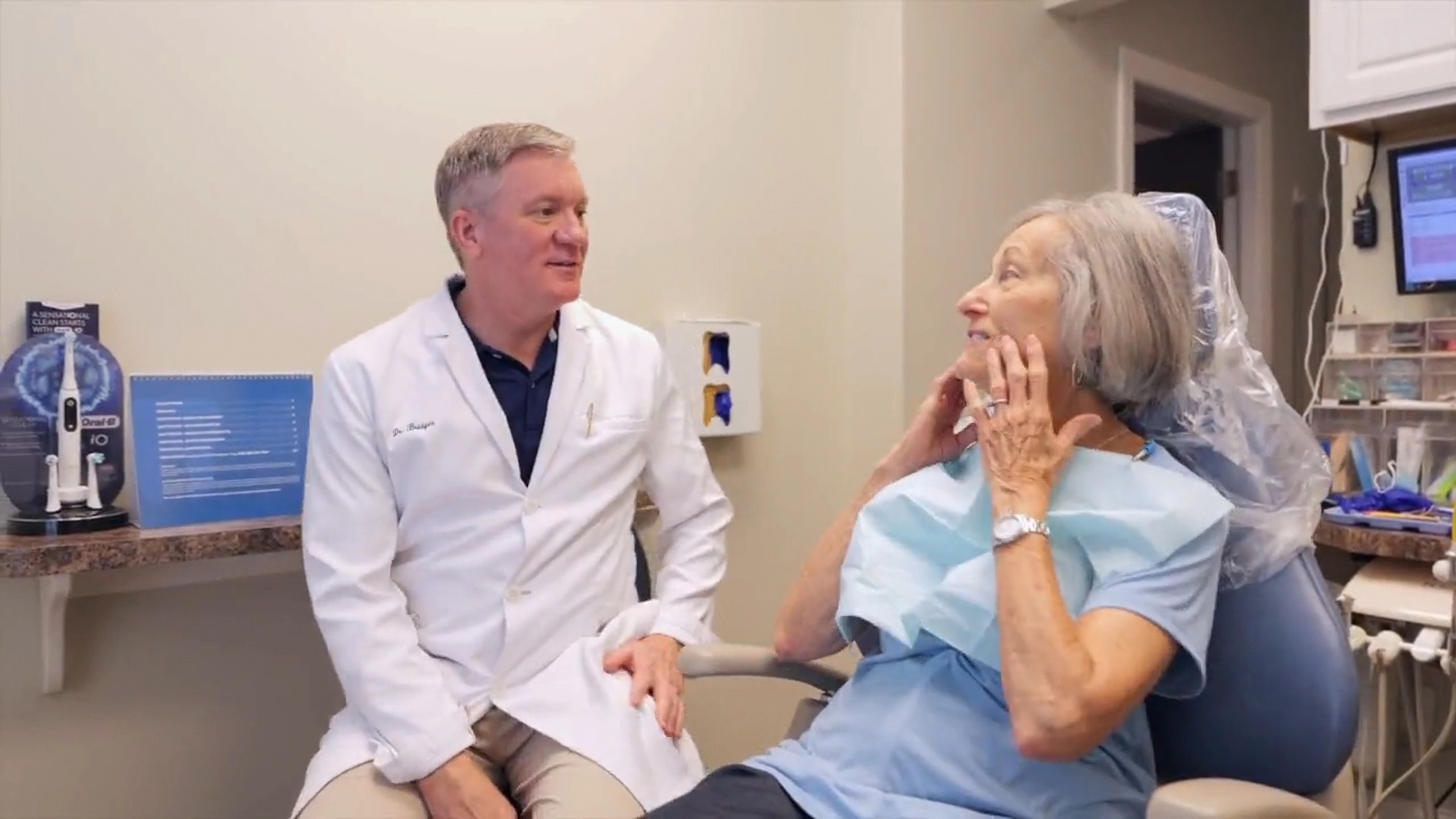
How to Care for Your Dentures in Paducah, KY: Maintenance Guide for Long-Lasting Results
Your dentures represent a significant investment in your quality of life, oral health, and confidence. Proper care and maintenance not only extend the lifespan of your dentures but also protect your overall oral health and ensure lasting comfort for daily activities throughout the Paducah region.
Serving the Greater Paducah Region
Whether you live in Paducah, suburban communities like Reidland, Lone Oak, and Hendron, or neighboring towns such as Benton, Draffenville, and Calvert City—or even rural areas including Ledbetter, Smithland, and Hardin—understanding proper denture care is essential for maximizing your investment and maintaining optimal oral health.
This comprehensive maintenance guide covers everything McCracken County denture wearers need to know: daily cleaning routines, professional maintenance schedules, common problems and solutions, storage best practices, and tips for extending denture lifespan. Whether you have full dentures, partial dentures, or implant-supported dentures, these evidence-based care recommendations will help you protect your investment and maintain optimal oral health.
For complete information about denture types, costs, and the denture process, see our complete guide to dentures in Paducah.
Educational Resource: This article provides comprehensive, evidence-based information about denture care for educational purposes. It is not promotional material and maintains a neutral perspective on denture maintenance practices available to residents across Western Kentucky communities.
Table of Contents
Key Takeaways
Essential Denture Care Information at a Glance
Daily Cleaning Extends LifespanProper daily cleaning and overnight soaking can help dentures last their full 5-7 year lifespan. Neglecting care shortens denture life and increases risk of oral health problems. |
Never Use Toothpaste or Hot WaterRegular toothpaste is too abrasive and scratches denture surfaces. Hot water can warp denture materials. Use denture-specific cleansers and lukewarm water only. |
Remove Dentures NightlyRemoving dentures at night allows oral tissues to rest and recover from daily pressure. Overnight wear can lead to tissue inflammation, infections, and bone loss acceleration. |
Professional Relines Every 1-2 YearsAs jawbone naturally changes shape, dentures require professional relines to maintain proper fit. Relines resurface the denture base to match current tissue contours. |
Annual Checkups Are EssentialEven without natural teeth, annual dental examinations remain important for oral cancer screening, denture fit assessment, and professional cleaning throughout McCracken County. |
Never Attempt DIY RepairsHome repair attempts with super glue or repair kits damage dentures and compromise fit. Always seek professional repair from dental providers serving the Paducah area. |
Store in Denture SolutionKeep dentures moist when not wearing them. Storing in denture solution or water prevents warping and maintains material integrity. Never let dentures dry out completely. |
Know Replacement SignsPersistent looseness despite relines, visible cracks, severely worn teeth, or difficulty eating indicate replacement may be needed. Schedule evaluation if these occur. |
Quick Navigation Tip: Use the Table of Contents above to jump directly to sections most relevant to your denture care questions.
Why Proper Denture Care Matters
Establishing and maintaining proper denture care habits provides multiple significant benefits for residents throughout the Paducah region. Regular cleaning and professional maintenance protect both your denture investment and your overall oral health.
- Extends Denture Lifespan: Proper daily care helps dentures last their full 5-7 year expected lifespan, delaying costly replacement
- Prevents Oral Health Problems: Clean dentures reduce risk of infections, irritation, bad breath, and fungal conditions like oral thrush
- Maintains Proper Fit: Regular professional maintenance ensures dentures continue fitting comfortably as oral tissues change
- Protects Your Investment: Dentures represent significant financial investment; proper care maximizes return on that investment
- Keeps Dentures Looking Natural: Regular cleaning prevents staining and maintains the natural appearance of artificial teeth
- Prevents Costly Repairs: Good care habits reduce likelihood of breaks, cracks, and damage requiring professional repair
Daily Denture Cleaning Routine
Establishing a consistent daily cleaning routine forms the foundation of proper denture care. Follow these evidence-based steps to keep dentures clean, fresh, and functioning optimally.
Morning Routine
- Remove dentures carefully over a folded towel or water-filled sink (cushions potential drops)
- Rinse thoroughly under lukewarm running water to remove loose particles
- Brush all denture surfaces with soft-bristle denture brush and denture cleanser
- Rinse mouth with water and gently brush gums, tongue, and palate with soft toothbrush
- Rinse dentures again before inserting
After Meals
- Remove dentures and rinse under running water to dislodge food particles
- Rinse mouth with water to refresh oral tissues
- Quick brush if time permits, otherwise thorough evening cleaning suffices
Evening Routine
- Remove dentures over towel or water-filled sink
- Brush thoroughly with denture brush and non-abrasive denture cleanser (all surfaces including areas that contact gums)
- Rinse completely to remove all cleanser residue
- Place in denture-soaking solution or plain water overnight
- Clean denture storage container
- Brush gums, tongue, roof of mouth, and any remaining natural teeth with soft toothbrush
Recommended Products
- Soft-bristle denture brush (dedicated brush, separate from regular toothbrush)
- Non-abrasive denture cleanser (specifically formulated for dentures)
- Denture soaking solution (effervescent tablets or liquid solution)
- Covered denture cup for overnight storage
DO NOT USE: Regular toothpaste, stiff brushes, bleach-based cleaners, or hot water
What to Avoid: Common Denture Care Mistakes
Understanding what NOT to do proves equally important as knowing proper care techniques. These common mistakes can damage dentures, shorten their lifespan, or compromise oral health:
- Using Regular Toothpaste: Too abrasive—scratches denture surfaces, creating rough areas that harbor bacteria and stain more easily
- Hot Water: Warps denture materials, permanently affecting fit and comfort
- Bleach-Based Cleaners: Weakens denture structure and can discolor pink acrylic portions
- Sleeping with Dentures: Prevents tissue recovery, increases infection risk, and accelerates bone loss (except during initial adjustment period as directed)
- Bending Clasps or Wires: On partial dentures, attempting to adjust metal components yourself damages the framework
- DIY Repairs: Super glue, home repair kits, or temporary fixes typically worsen damage and create alignment problems
- Abrasive Cleaning Tools: Stiff brushes, scouring pads, or harsh scrubbing damages denture surfaces
- Letting Dentures Dry Out: Causes warping and material degradation—always keep moist when not wearing
- Whitening Products: Not designed for denture materials and may cause damage or discoloration
- Dishwasher Cleaning: Excessive heat and harsh detergents damage denture materials
Professional Denture Maintenance
While daily home care is essential, professional maintenance remains equally important for long-term denture success. Regular dental visits allow providers throughout the Paducah area to monitor denture condition, assess oral health, and perform necessary adjustments.
Annual Dental Checkups
Even denture wearers without natural teeth should maintain annual dental examinations. These visits include:
- Oral cancer screening (critical for early detection)
- Denture fit assessment and adjustment recommendations
- Professional denture cleaning
- Bite relationship evaluation
- Soft tissue health examination
Denture Relines (Every 1-2 Years)
As jawbone naturally changes shape after tooth loss, dentures require periodic relines to maintain proper fit. A reline resurfaces the denture base to match current tissue contours:
- Soft Relines: Use pliable material for comfort when gum irritation occurs; typically last 1-2 years
- Hard Relines: Resurface with rigid acrylic for long-term fit; recommended every 1-2 years
Signs you need a reline: Increasing denture movement, difficulty eating, sore spots, clicking sounds, or visible gaps between denture and gums.
Professional Repairs
Never attempt home repairs for cracks, chips, broken clasps, or loose teeth. Professional repair ensures proper materials and techniques that preserve denture integrity and function. Most dental offices serving McCracken County can handle repairs or work with laboratories for more complex issues.
Professional Cleaning
Professional cleaning once or twice yearly removes calculus buildup, eliminates stubborn stains, and polishes dentures to restore smooth surfaces that resist bacterial adhesion and staining.
How Long Do Dentures Last?
With proper care, traditional dentures typically last 5-7 years before requiring replacement. Several factors influence denture longevity:
- Quality of daily care and cleaning habits
- Rate of bone resorption (varies by individual)
- Wear and tear from normal use
- Original material quality and fabrication precision
- Frequency of professional maintenance and relines
Signs It’s Time for Replacement
- Persistent looseness despite professional relines
- Visible cracks, chips, or structural damage
- Severely worn artificial teeth affecting chewing efficiency
- Changed facial appearance (sunken or aged look)
- Difficulty eating or speaking despite adjustments
- Frequent sore spots or chronic irritation
- Dentures more than 7-10 years old
For more information about denture replacement options and the process, visit our comprehensive denture guide for Paducah residents.
Storing Your Dentures Properly
Proper storage when dentures aren’t being worn prevents damage and maintains material integrity:
Always Keep Moist
- Store in denture-soaking solution or plain water when not wearing
- Never let dentures dry out—causes warping and cracking
- Change soaking solution daily
Use Proper Container
- Covered denture cup prevents contamination and accidental damage
- Clean storage container regularly to prevent bacterial growth
- Keep away from pets (dentures can be attractive chew toys) and children
When Traveling
- Pack dentures in secure, padded case
- Bring cleaning supplies and denture solution
- Keep denture-related items in carry-on luggage (not checked bags)
Temperature Considerations
- Avoid extreme heat exposure (car dashboards, direct sunlight, heating vents)
- Room temperature storage is ideal
- Never use hot water for cleaning or storage
Dealing with Common Denture Problems
Even with excellent care, denture wearers occasionally experience issues. Understanding common problems and appropriate responses helps maintain oral health:
Loose Dentures
- May indicate need for professional reline
- Denture adhesive provides temporary solution
- Schedule dental appointment if looseness worsens
- Chronic instability may warrant implant-supported options
Sore Spots and Irritation
- Don’t continue wearing dentures causing severe pain
- Schedule adjustment appointment promptly
- Most pressure points resolve quickly with professional adjustment
- Persistent soreness may indicate infection requiring treatment
Bad Breath
- Often related to inadequate cleaning
- Improve daily cleaning routine and soaking practices
- May indicate oral infection—consult dentist if persistent
- Professional cleaning removes accumulated bacteria and calculus
Staining
- Reduce consumption of staining substances (coffee, tea, red wine, tobacco)
- Professional cleaning removes surface stains
- Daily cleaning prevents buildup
- Denture-specific whitening products available (consult dentist first)
Broken or Damaged Dentures
- Discontinue use of damaged dentures to prevent injury
- Seek professional repair only—never use home adhesives
- Keep backup dentures if possible for emergencies
- Many offices offer same-day or expedited repair services
Special Care for Partial Dentures
Partial dentures require additional considerations beyond standard denture care:
- Clean Remaining Natural Teeth Thoroughly: Brush and floss remaining teeth carefully, paying special attention to teeth supporting partial denture clasps
- Remove Partial Before Brushing Natural Teeth: Prevents damage to clasp mechanisms during regular tooth brushing
- Clean Clasps and Metal Framework: Use denture brush to clean all metal components, removing food particles and plaque
- Never Bend Metal Components: Attempting to adjust clasps or wires yourself damages the framework
- Soak According to Manufacturer Instructions: Some materials require specific soaking solutions
- Maintain Regular Dental Visits: Natural teeth require ongoing professional care even with partial dentures
- Monitor for Cavities: Teeth under or near partial denture clasps face increased cavity risk
Local Considerations for Paducah Denture Wearers
Residents throughout McCracken County and surrounding Western Kentucky communities should consider these local factors:
- Water Quality: Paducah’s municipal water system provides safe water for denture cleaning and soaking
- Emergency Denture Services: Most dental practices serving the Paducah area offer emergency appointment availability for broken dentures or severe fit problems
- Travel Considerations: Residents from rural areas like Ledbetter, Smithland, Calvert City, and Draffenville should plan for multiple professional maintenance visits annually
- Seasonal Weather: Western Kentucky winters can make travel challenging; consider scheduling routine maintenance during mild weather months
About the Author
Dr. Scott Bridges, DMD
Lead Dentist, Smile Station Dental Care
Dr. Scott Bridges brings extensive experience in comprehensive dental care to the Paducah community, with particular expertise in restorative dentistry, including denture fabrication, fitting, and maintenance. His patient-centered approach emphasizes education, comfort, and long-term oral health outcomes for denture wearers throughout McCracken County.
Committed to staying current with advancements in denture technology and materials, Dr. Bridges pursues continuing education in prosthodontics and digital denture design. He serves patients throughout Western Kentucky, providing comprehensive denture care from initial consultation through long-term maintenance and adjustments.
Smile Station Dental Care, conveniently located on Reidland Road in Paducah, offers complete denture services—including cleaning, relines, repairs, and replacements—to patients from Paducah, Reidland, Lone Oak, Benton, and throughout the region.
Conclusion: Protecting Your Denture Investment
Proper denture care combines consistent daily cleaning habits with regular professional maintenance. By following the evidence-based recommendations in this guide, residents throughout Paducah, Reidland, Lone Oak, Benton, and surrounding McCracken County communities can maximize denture lifespan, maintain optimal oral health, and protect their investment in restored oral function and confidence.
Remember these key principles: clean dentures daily with appropriate products, remove them nightly for tissue recovery, schedule annual professional checkups, obtain timely relines as tissues change, never attempt DIY repairs, and store properly when not wearing. These simple habits dramatically improve denture longevity and oral health outcomes.
For comprehensive information about denture types, costs, and the complete denture process, explore our resources on dental care services in Paducah. Whether you’re a new denture wearer or have worn dentures for years, establishing proper care habits today ensures lasting comfort, function, and value from your restoration investment.
Schedule Your Denture Checkup
If you’re experiencing denture fit problems, need professional cleaning or reline, or have questions about proper denture care, schedule a checkup with a dental provider serving the Paducah area. Regular professional maintenance combined with excellent home care ensures your dentures continue serving you well for years to come.